get in touch
SEO Is Not Dead. It’s Just Changed.

Every few years, someone declares that SEO is dead.
It happened when social media took off. It happened when paid ads became more competitive. It happened when voice search was going to change everything and now it is happening again because of AI. The truth is a little less dramatic – SEO is not dead, but it has changed.
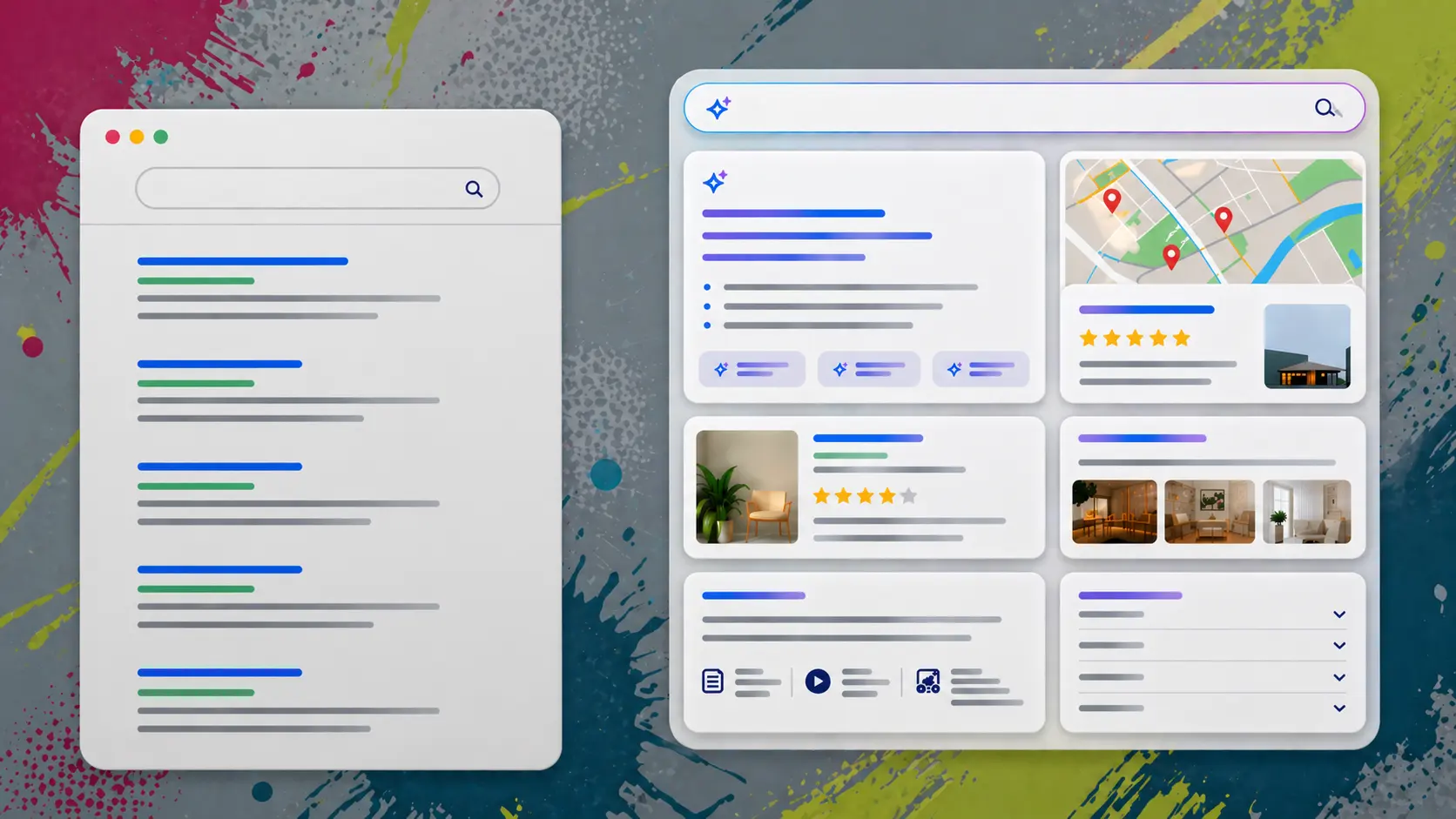
For small and medium-sized businesses, that change matters. The way people search, compare and make decisions online is becoming more complex. Google results are no longer just a list of blue links. Search results can now include maps, reviews, videos, shopping results, featured snippets, AI-generated summaries and other answer-led results.
That means SEO can no longer be treated as a simple exercise in adding keywords to pages and waiting for rankings to improve. Good SEO now needs to think about visibility, trust, usefulness and how clearly your business is understood online.
Why are people saying SEO is dead?
The biggest reason is that search results are changing.
In many cases, people can now get answers directly from Google without clicking through to a website. AI Overviews and other search features can summarise information at the top of the results page. Local searches may show a map pack, reviews, opening hours and contact details before users ever reach a website.
For some businesses, this can mean fewer clicks from certain types of searches, even when they are still visible.
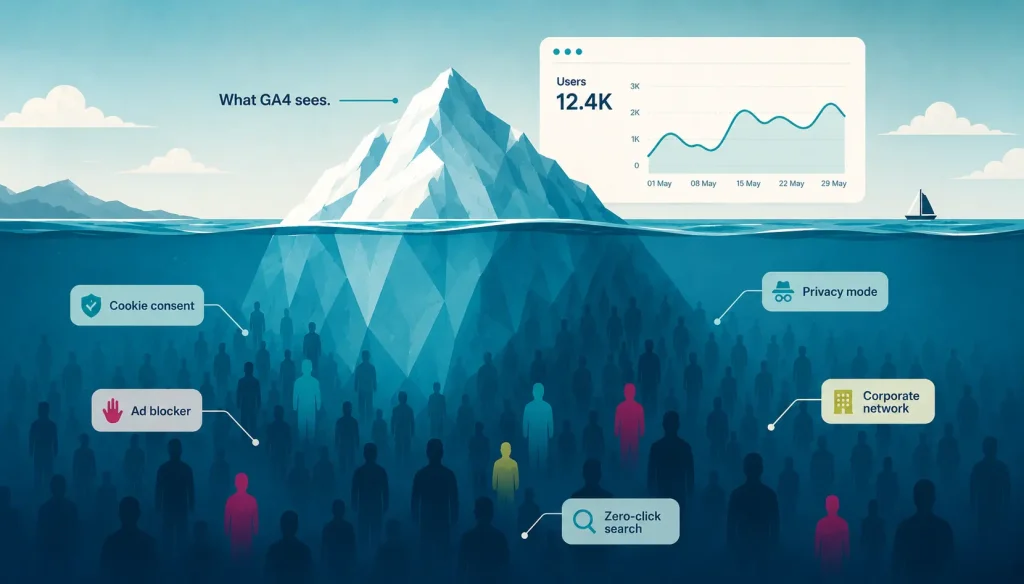
That can make traditional SEO reports look confusing. Traffic might be flat or falling, but calls, branded searches, map views or direct enquiries could still be strong.
So the issue is not that SEO has stopped working. It is that measuring SEO by rankings and traffic alone is becoming less useful.
What has actually changed?
Search has become broader. A potential customer might now find your business through:
- A traditional Google search
- A Google Business Profile
- Google Maps
- An AI-generated search result
- A comparison article
- A directory listing
- A review platform
- A social media post
- A recommendation from an AI tool
- A direct branded search after seeing your name somewhere else
That means your website is still important, but it is only one part of the picture.
Your online presence needs to be consistent, clear and trustworthy across different places. Google and AI systems need to understand what you do. Customers need to feel confident that you are the right choice. Your content needs to answer real questions, not just repeat keywords.
What has not changed?
Although the search landscape is changing, the basics still matter. People still search when they need help, advice, products or services. Google still needs to understand your website. Potential customers still want clear information before they make an enquiry.
The businesses that do well are usually the ones that can answer these questions clearly:
- What do you do?
- Who do you help?
- Where do you work?
- Why should someone choose you?
- What proof do you have?
- What should someone do next?
If your website does not answer those questions properly, SEO will be harder than it needs to be.
Modern SEO is about being chosen, not just being found
Older SEO often focused heavily on getting more traffic. That is still useful, but traffic on its own does not pay the bills. What most businesses really want is better visibility, better enquiries and more of the right people choosing them.
Modern SEO should therefore focus on:
- Clear service pages
- Helpful content that answers real customer questions
- Strong local visibility
- Reviews and reputation
- Technical website health
- Fast, mobile-friendly pages
- Useful internal linking
- Clear calls to action
- Evidence of experience and trust
- Content that supports both Google and AI-led search
A page that gets fewer visits but generates better enquiries may be far more valuable than a blog post that attracts lots of visitors who never become customers.
AI has made clarity even more important
AI search has made one thing very clear: vague content is a problem. If your website uses generic wording like “we provide high-quality solutions for all your needs”, it is not giving Google, AI tools or customers much to work with.
Your content needs to be specific. For example, instead of saying:
We offer professional services to businesses across the UK.
It is much stronger to say:
We design and build WordPress websites for small and medium-sized businesses that need a clearer, faster and more effective online presence.
That kind of content is easier for people to understand. It is also easier for search engines and AI systems to interpret.
What should small businesses focus on now?
For most SMEs, the best approach is not to chase every new SEO trend. It is to get the foundations right, then build from there.
1. Strengthen your main service pages
Your service pages should not be thin, vague or interchangeable.
Each important service should have its own clear page explaining what the service is, who it is for, what problems it solves, how your process works and why your business is a good choice.
2. Answer real customer questions
The best content often comes from real conversations with customers.
Think about the questions people ask before they buy from you. Those questions can become FAQs, blog posts, advice guides or sections on your service pages.
3. Improve local visibility
For businesses that work in a specific area, local SEO is still extremely important.
That means keeping your Google Business Profile up to date, collecting reviews, making your location and service areas clear, and ensuring your business details are consistent across the web.
4. Show proof
Customers want evidence.
Case studies, testimonials, reviews, accreditations, project examples and team experience all help build confidence. They also give search engines more useful context about your business.
5. Make your website technically sound
Good SEO still needs good foundations.
Your website should be easy to crawl, fast enough, secure, mobile-friendly and structured properly. If search engines struggle to access or understand your pages, your content may not perform as well as it should.
6. Think beyond rankings
Rankings still matter, but they are not the whole story.
Look at enquiries, phone calls, form submissions, map visibility, branded searches, conversions and the quality of leads. These are often better signs of whether your SEO is helping the business.
SEO and AI visibility now overlap
SEO and AI visibility are now closely connected.
A business that wants to appear in AI-led results still needs many of the same things that help with traditional SEO:
- Clear website content
- Strong service pages
- Helpful answers
- Consistent information
- Good reviews
- Trusted mentions
- Structured data
- Relevant case studies
- A technically healthy website
AI has not removed the need for SEO. If anything, it has made good SEO more important because businesses need to be understood more clearly across more places.
So, is SEO still worth it?
Yes, but only if it is done properly.
SEO should not be treated as a box-ticking exercise or a monthly report full of rankings that nobody acts on. It should be part of a wider plan to make your business easier to find, easier to understand and easier to choose.
For SMEs, that means focusing less on tricks and more on clarity, usefulness and trust.
Search is changing, but the goal is still the same: helping the right people find your business when they need what you offer.
Need help adapting your SEO?
At Gravity, we help small and medium-sized businesses improve their websites, strengthen their search visibility and prepare for the way search is changing.
If you want your business to be clearer, more visible and better placed for both Google and AI-led search, we can help.