get in touch
How Schema Helps Search Engines Understand Your Website

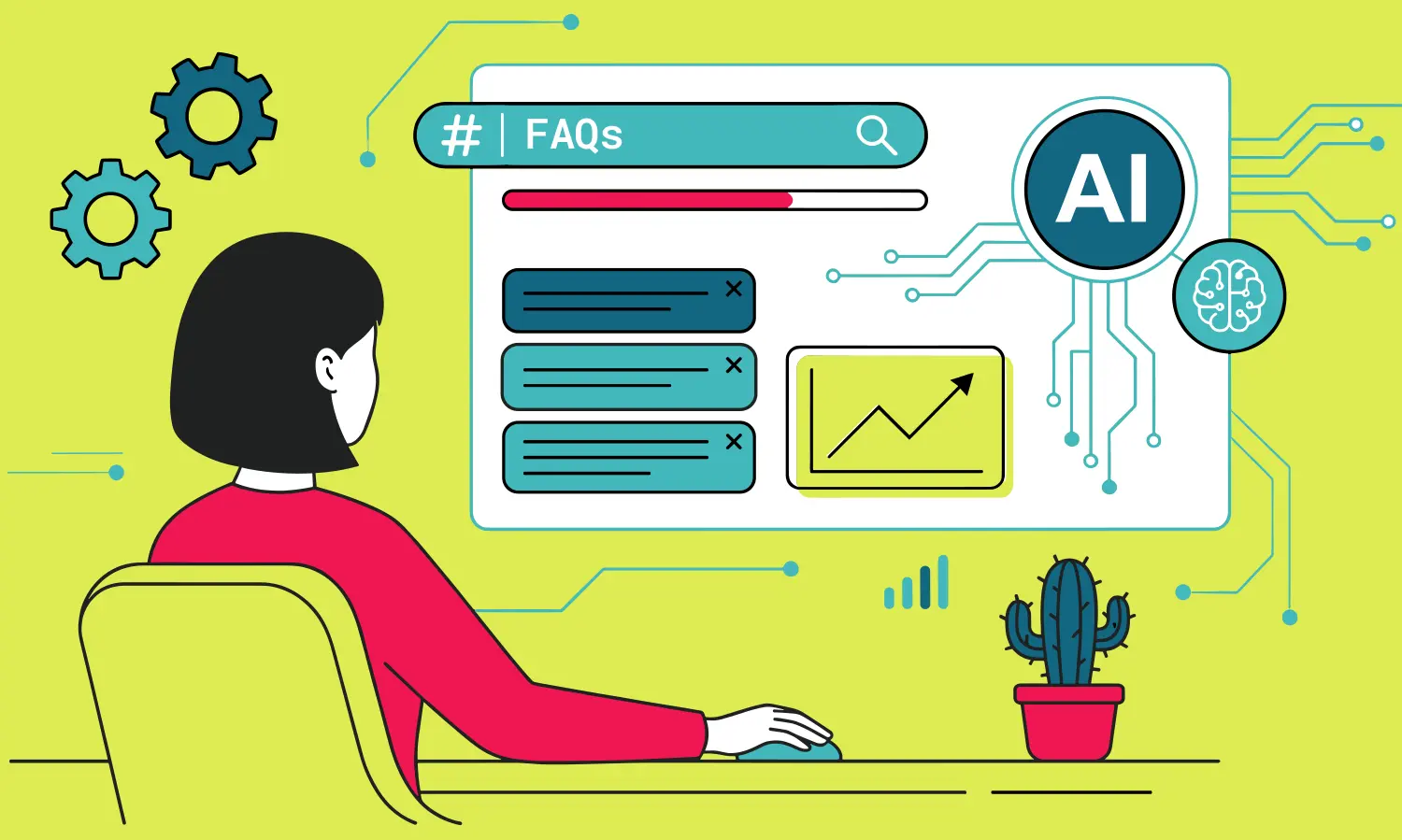
The benefits of website schema
There’s a good chance your website already has schema markup on it, even if you’ve never really thought about it. A developer may have added it, a plugin may have switched it on, or someone may have recommended it years ago as a quick SEO improvement.
For a while, the most obvious benefit was FAQ dropdowns in Google. You added a few questions and answers to a page, marked them up correctly, and Google might show them underneath your search listing.
That was easy to understand because you could see the result.
Today, those dropdowns are much less common, especially for normal business websites. But that does not mean schema has stopped being useful. It just means its role has changed.
What actually changed
FAQ schema is probably the best-known example because it used to create something very visible. A page with FAQ markup could sometimes appear in Google with extra dropdown questions beneath the main result. That made the listing larger, pushed other results further down the page and often helped attract more clicks.
Google has since reduced how often those FAQ rich results appear, particularly for commercial websites. In many cases, the schema is still there in the code and still technically valid, but it no longer produces the visible result people expected.
That can make schema feel less important than it once did, but FAQ markup was only ever one part of the picture.
Other types of schema have always worked more quietly. Product schema can help search engines understand details such as price, availability and reviews. Article schema can help explain who wrote a piece, when it was published and what it covers. Organisation and local business schema can confirm details such as your business name, logo, address, opening hours and contact information.
Those things do not always create something obvious in the search results, but they still help search engines understand your website more clearly.
So the value has not disappeared. It has moved more behind the scenes.
Why schema still matters
Search engines are no longer just looking at pages and deciding where to rank them. They are trying to understand what each page means.
That matters more now because search itself is changing. Google can summarise answers directly in the search results. AI tools can pull information from different websites at once. People may get part of the answer they need before they ever click through to a website.
In that kind of search environment, clarity matters.
Schema markup gives search engines and AI systems another way to understand your content. It helps explain what your business is, what services you offer, where you operate, what a page is about and how different parts of your website connect.
It does not replace good content. It does not guarantee rankings. And it does not mean your website will automatically be included in AI-generated answers.
But it does give machines cleaner information to work with.
Are AI tools actually using schema?
There is no single rule for how every AI system uses structured data, so it is worth being realistic.
AI tools do not rely only on schema. They look at content, page structure, headings, links, authority, context and many other signals. Schema is just one part of that.
But it is still a useful part.
If a page has clear headings, helpful content, sensible structure and accurate schema markup, it is easier for search engines and AI systems to understand what the page is saying. It also reduces the chance of your content being misread or taken out of context.
That is becoming more important as people get more answers from search results, AI summaries and digital assistants.
The easier your website is to understand, the better chance it has of being used correctly.
The mistake businesses often make
The old approach to schema was often a bit too SEO-led. Markup was added because someone had heard it might help with rankings or rich results, rather than because it genuinely described the page.
FAQ schema is a good example. Some pages ended up with extra questions added just for SEO. The questions were often broad, repetitive or not especially useful. Instead of helping the visitor, they just made the page longer.
The same thing can happen with other types of schema too. Product markup might not match the product page properly. Review schema might be added where there are no genuine reviews. Plugins might generate schema automatically without anyone checking whether it is accurate.
That is not the right approach.
Good schema should describe what is actually on the page. It should be accurate, useful and easy to justify.
If the markup says something that a visitor would not clearly find on the page, it probably should not be there.
What good schema looks like now
Good schema is simple, accurate and relevant. For most small and medium-sized business websites, that usually means a sensible core setup rather than anything overly complicated. For example:
Organisation schema can help describe the business itself. Local business schema can help if you serve a particular area. Product or service schema can help explain what you sell or provide. Article schema can support blog posts, guides and advice pages. Breadcrumb schema can help show how pages are organised within the site.
FAQ schema can still be useful too, but only when the questions are genuinely helpful. If they are questions a real customer might ask, and the answers add something useful to the page, they are worth including. If they are only there to target keywords, they are probably not needed.
The best test is simple: does the schema describe the page honestly? If it does, it is doing its job.
It works best when everything joins up
Schema is most useful when it supports the rest of the website. A single piece of markup on its own is unlikely to make much difference. The value comes when your content, headings, internal links and schema all tell the same story.
Your service pages should clearly explain what you do. Your location pages should make it obvious where you work. Your blog posts should have clear topics and useful answers. Your schema should then support that structure, not try to make up for missing or unclear content.
That joined-up approach helps search engines build a clearer picture of your website.
It also helps users.
A website that is easier for machines to understand is usually easier for people to use as well.
The bigger change
Search engines are no longer simply trying to rank pages. They are trying to understand them.
That matters because websites are no longer only competing for clicks from traditional search results. They are also competing to be understood by search engines, AI tools and answer systems.
Sometimes that may lead to a click. Sometimes it may help your business appear as part of a summary, a recommendation or a wider search result.
Schema will not transform a website on its own. It will not fix poor content, weak pages or unclear messaging.
But well-structured content, supported by accurate schema markup, gives search engines a clearer understanding of your business and your website. That has always been useful, but as search becomes more AI-led, it is becoming even more important.
FAQ rich snippets may not be as common as they once were, but schema still has a job to do.
It helps explain your website more clearly. And as it happens, the websites that make life easier for machines tend to be the ones that make life easier for users too.